A technical design project aimed at defining a complete management system for a fast-growing group of pizzerias. Designed to support the expansion of a multi–point-of-sale restaurant network, the solution focuses on order management, ingredient stock tracking, and online customer ordering, while ensuring scalability across all pizzerias.
This project is developed as a technical architecture and data modeling study, with a strong focus on domain-driven design, relational database modeling, and project management best practices. It covers functional domain analysis, UML class modeling, physical data modeling, and SQL database design, and is intended to serve as a solid foundation for future application development.

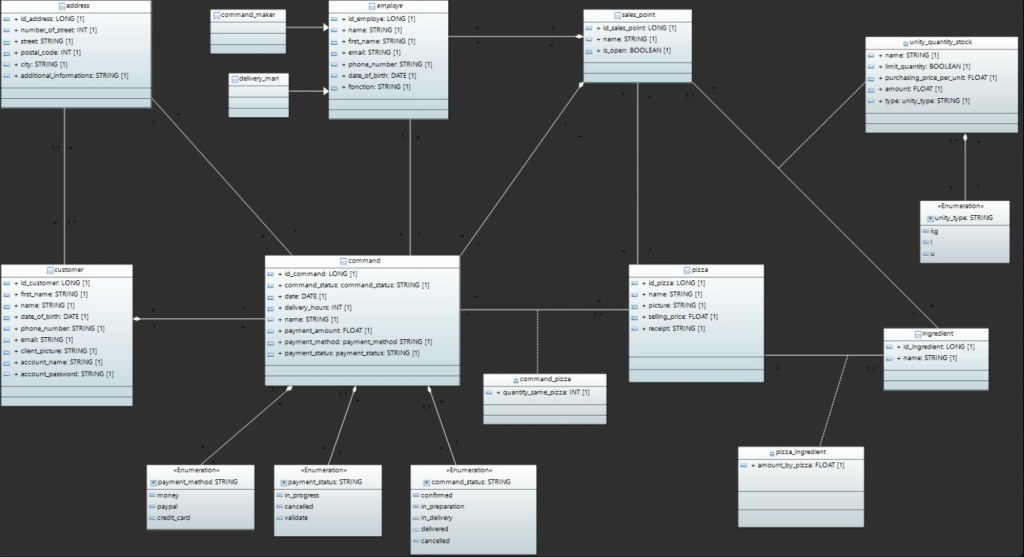
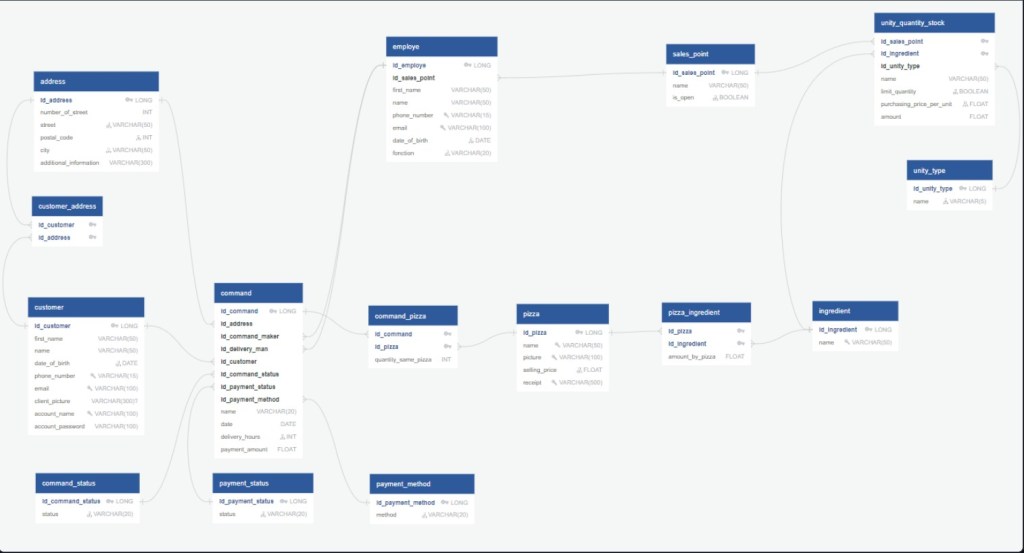
Functionnal scope
Order management :
Centralized handling of customer orders across multiple points of sale, including order creation, modification, cancellation, and real-time status tracking from reception to delivery.
Ingredient stock monitoring :
Real-time tracking of ingredient availability per pizzeria, enabling automatic validation of order feasibility and preventing out-of-stock situations.
Recipe reference system :
Real-time tracking of ingredient availability per pizzeria, enabling automatic validation of order feasibility and preventing out-of-stock situations.
Muti-point-of-sale support :
Designed to support multiple pizzerias within a single system, allowing scalability as new sales points are added.
Customer interaction flow :
Support for online ordering, payment tracking, order modification rules, and delivery notifications, integrated into the overall system design.
Technical foundations
Data modeling :
UML class diagrams used to define the functional domain and object relationships.
Database design :
Relational database model (MPD) ensuring data consistency, normalization and scalability.
SQL scripting :
Custom SQL scripts for database initialization, demonstration datasets, result verification and data modificaton scenarios.
Architecture approach :
Domain-driven design with clear separation of concerns between business entities, data persistence and system responsibilities.
Project managment :
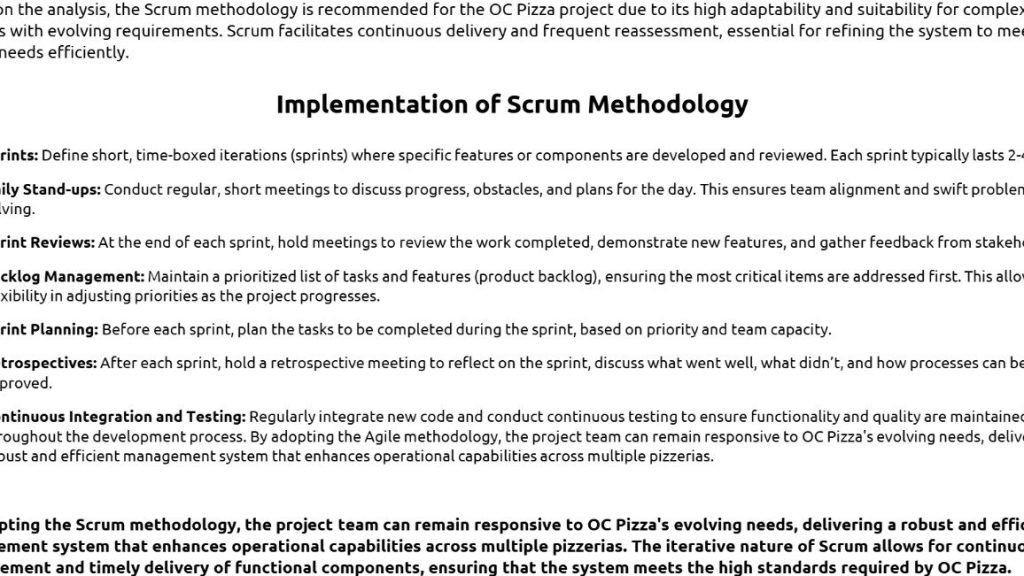
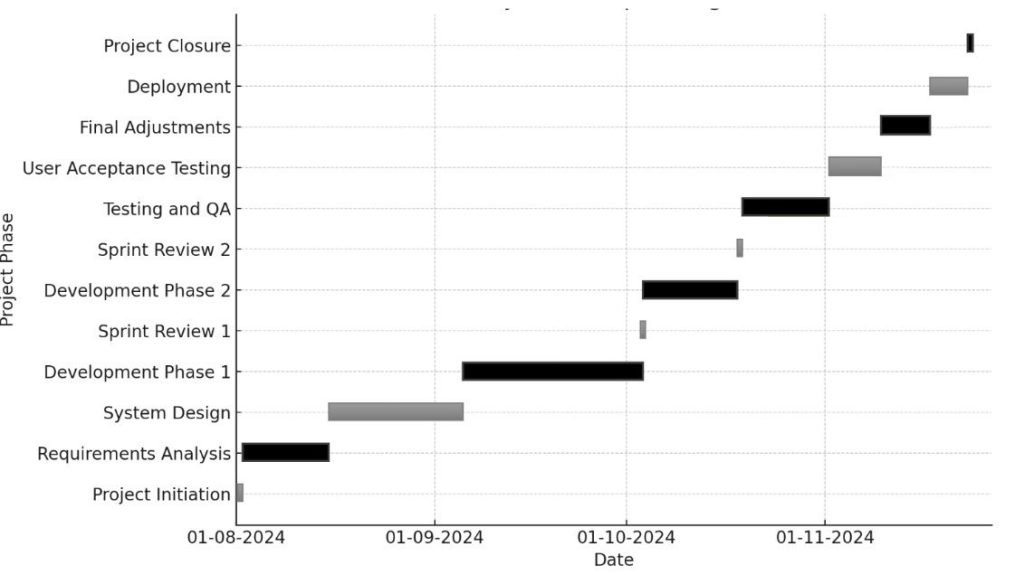
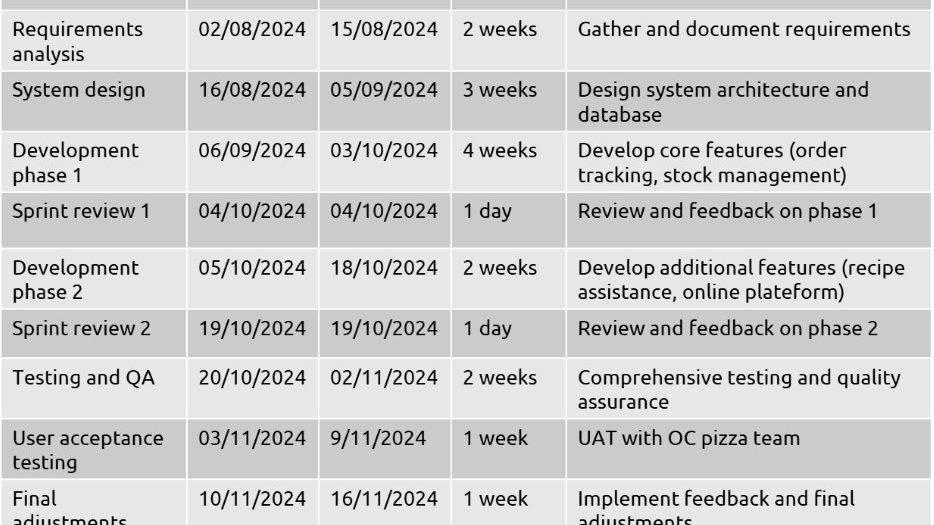
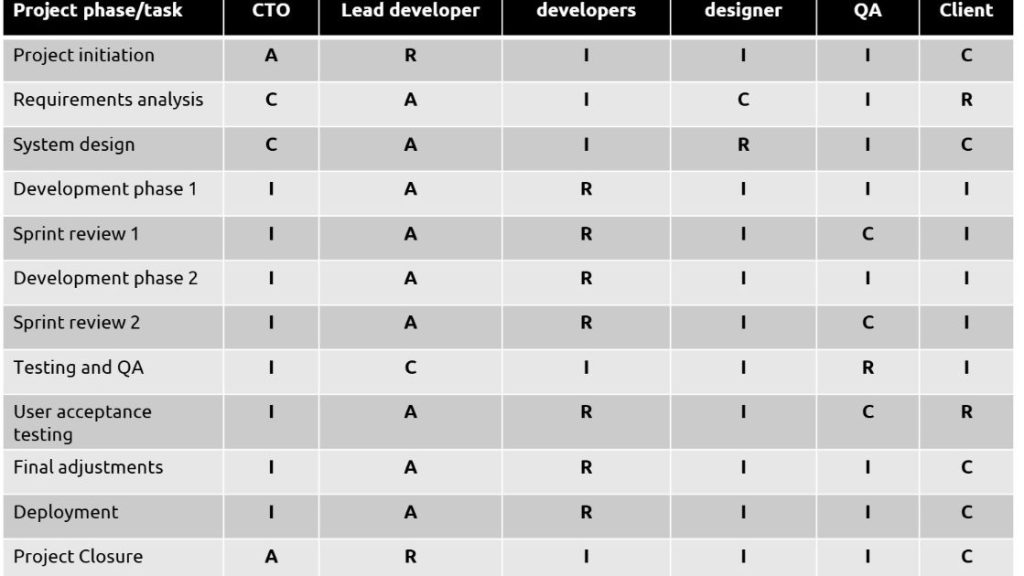
Scrum-based methodology with defined roles, iterations, milestones and quality assurance processes.
 adechaunac.com